Direct Answer
You can froth milk with an electric frother, a handheld whisk, a French press, a jar with a lid, a blender, or a whisk and a steady arm. All six work by doing the same thing: forcing air into milk fast enough that the milk's proteins trap the air into bubbles before it escapes. The equipment changes how fast and how fine the foam comes out — it doesn't change whether foam is possible.
Why This Works: The Mechanism
Milk foams because it contains protein — mostly casein and whey — that acts like a net around air bubbles. When you introduce air quickly (whisking, shaking, forcing steam through), the proteins unfold and wrap around the bubbles, holding them in place instead of letting them pop and rise back out as flat liquid. Fat content changes the texture of that foam: more fat makes bigger, creamier bubbles that collapse faster; less fat makes smaller, stiffer bubbles that hold longer. Temperature matters too — milk between 130–160°F (55–70°C) foams best. Below that range the proteins haven't loosened up enough; above it, they start breaking down and the foam collapses instead of holding.
None of this requires a machine. A machine just does the "introduce air quickly and repeatedly" part for you, faster and with less arm effort.
The Six Methods, Compared
| Method | Time | Effort | Foam quality | Best for |
|---|---|---|---|---|
| Electric frother (with base) | 1–2 min | None (button press) | Consistent, holds shape well | Two drinks back to back, daily use |
| Handheld frother (battery wand) | 30–60 sec | Low (hold and move) | Good, slightly looser bubbles | One cup, fast, no outlet needed |
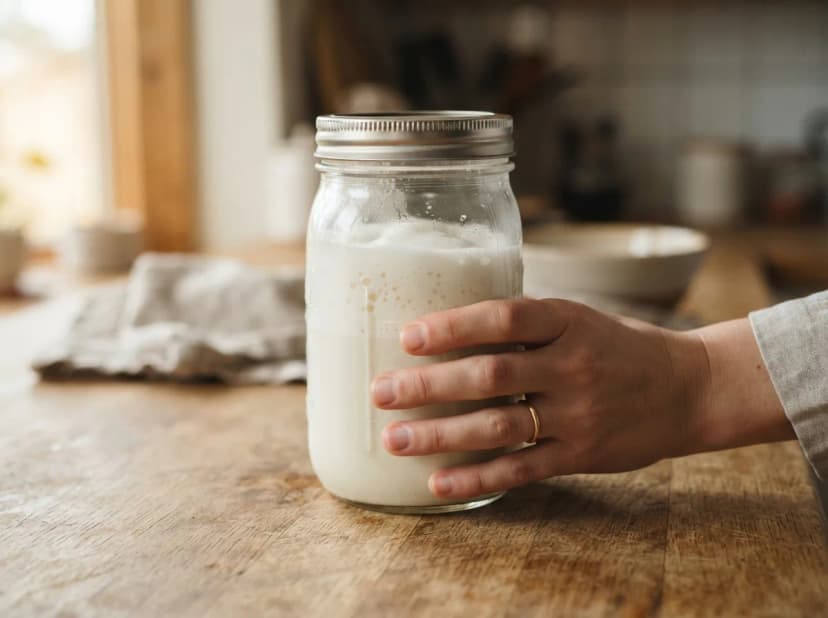
| Jar with a lid | 30–45 sec shaking + 30 sec microwave | Moderate (arm work) | Decent, uneven bubble size | No equipment on hand, one-off use |
| French press | 30–45 sec pumping | Moderate (arm work) | Good, similar to handheld | Already own one for coffee |
| Whisk by hand | 60–90 sec | High (wrist fatigue) | Thin, inconsistent | Emergency, no other option exists |
| Blender (immersion or countertop) | 20–30 sec | Low | Very fine foam, can over-aerate | Larger batches, multiple drinks |
A jar and a whisk are legitimate, complete answers to this question — not placeholders until you buy something. If you're only making foam occasionally, there's no mechanical reason to own dedicated equipment. See how to froth milk without a frother for exact steps on the no-equipment methods.
Step-by-Step: The Two Most Common Methods
Electric or handheld frother:
- Pour cold milk into a tall, narrow container — a mug works, but a container taller than it is wide gives the air somewhere to go.
- Submerge the whisk head just below the surface.
- Run for 15–30 seconds, keeping the head near the surface for the first half (this is where most of the air gets pulled in) and slightly lower for the second half (this tightens the foam texture).
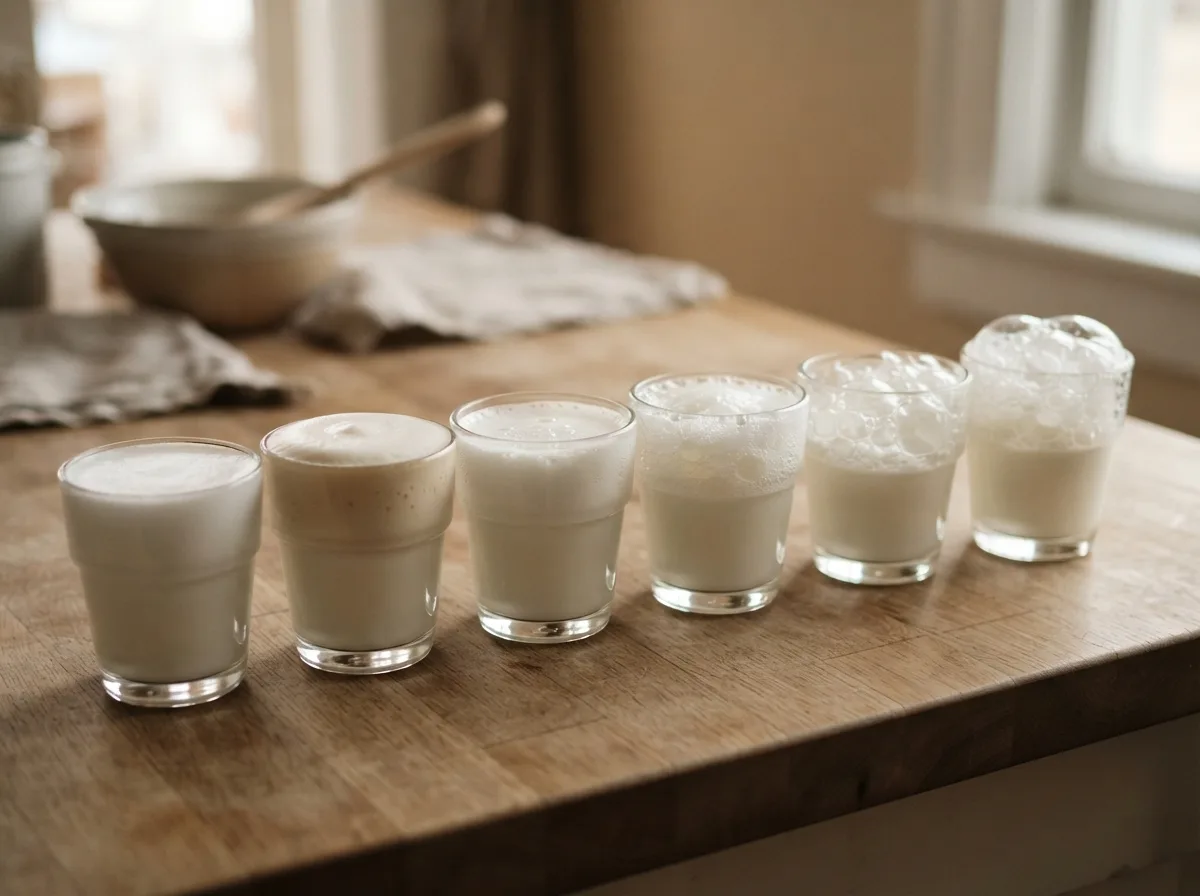
- Stop when the volume has roughly doubled and the surface looks like wet sand, not soap bubbles.
Jar with a lid:
- Fill a jar no more than one-third full — foam needs room to expand.
- Screw the lid on tight and shake hard for 30–45 seconds.
- Remove the lid and microwave uncovered for 30–45 seconds. The foam sets and separates slightly from the liquid milk underneath.
- Spoon the foam on top of your drink, then pour the liquid milk in around it.
The Most Common Failure Point
If you shake, whisk, or froth for a full minute and get bubbles that collapse within seconds, the milk was too cold when you started or too hot by the time you finished — foam that disappears fast almost always traces back to temperature, not technique. Cold milk (straight from the fridge, around 40°F) takes longer to foam and produces a thinner result; milk heated past 160°F breaks the foam down as fast as it forms. Full troubleshooting, including what to do about it, is in why is my milk not frothing.
Which Milk Works Best
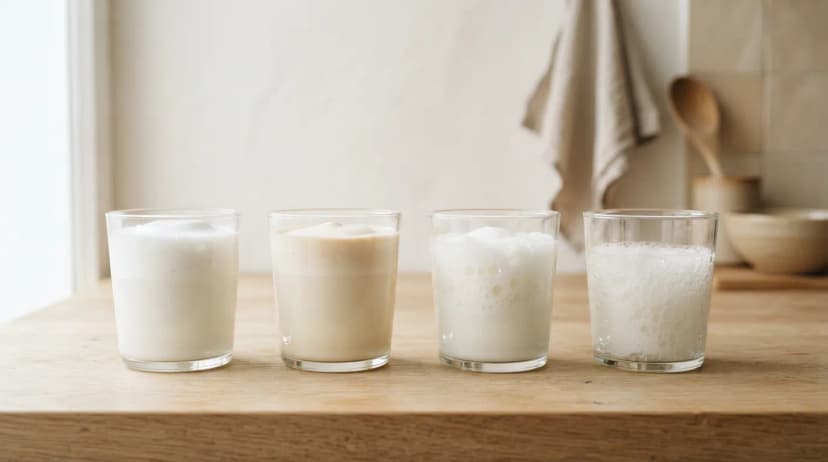
Whole milk tastes richest but produces looser foam because of its higher fat content. Skim milk foams the stiffest and holds longest because there's less fat to weigh the bubbles down — it also tastes thinner doing it, and that trade-off doesn't go away no matter which method you use. Oat milk (barista blends specifically) foams close to whole milk in texture. Almond milk foams thin and collapses fast regardless of method, because it has very little of the protein that holds foam together in the first place. Full comparison and specific notes: best milk for frothing.
Hot Foam vs. Cold Foam
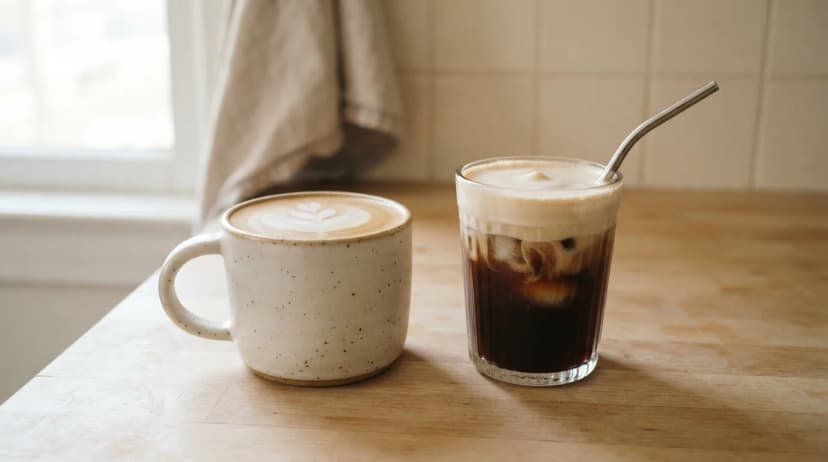
Hot foam (steamed or heated during frothing) is what tops a latte or cappuccino — dense, warm, and stable enough to hold latte art. Cold foam (frothed straight from the fridge, no heat) is thinner and looser, designed to float on top of an iced drink rather than integrate into it. The frothing motion is the same; the temperature you start and end at is the only real difference, and it changes both texture and how long the foam holds. Full method for each: hot foam vs cold foam.
Getting to Microfoam
Microfoam — the smooth, glossy, latte-art-ready texture, not big soap-bubble foam — comes from stretching the milk (pulling air in slowly at the start) before texturing it (folding that air into smaller and smaller bubbles). It's achievable at home with a handheld or electric frother, though it takes more practice than basic foam. Step-by-step: how to get microfoam at home.
Which Frother Should You Use?
If you froth milk daily and want a one-button result, an electric frother with a base takes the guesswork out of timing and temperature. If you're making one drink at a time and don't want a countertop appliance, a battery handheld covers it in under a minute with no outlet needed. If you froth milk occasionally, a jar with a lid does the same underlying job for free — that's a genuinely fine answer, not a lesser one.
For how the three frother types actually differ, see handheld vs electric vs manual; for the specs worth checking, what to look for in a milk frother. For what else a frother is good for, milk frother recipes.
Sources
- USDA FoodData Central — milk protein and fat composition by type
- Manufacturer specifications, Zulay Kitchen product pages