Direct Answer
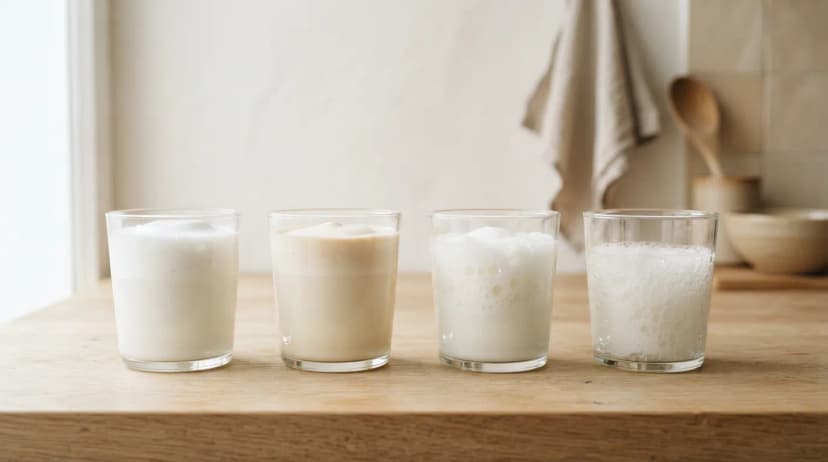
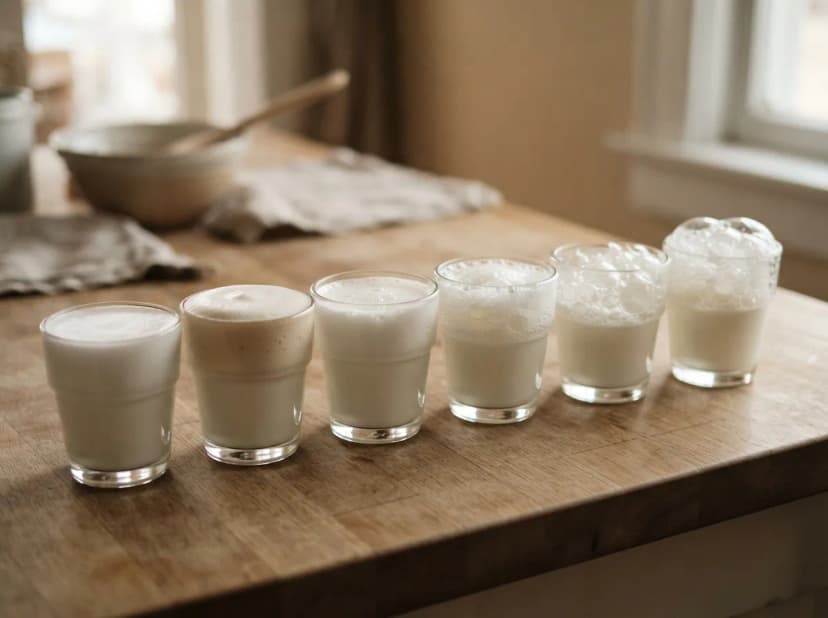
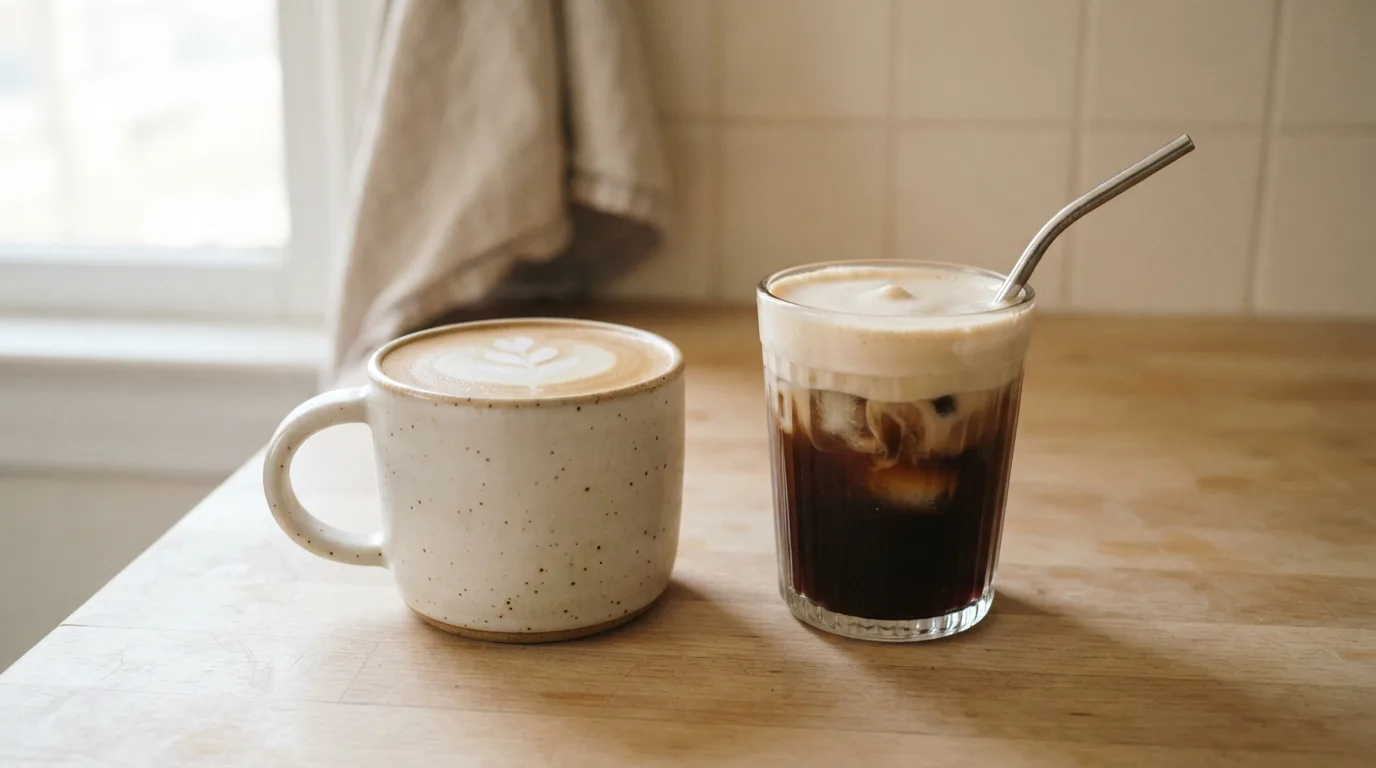
Hot foam is milk that's heated to 130–160°F and frothed either during or right after heating — it's dense, warm, and stable enough to hold latte art, and it's what tops a traditional latte or cappuccino. Cold foam is milk frothed straight from the fridge with no heat at all — it's thinner, looser, and designed to float on top of an iced drink rather than blend into it. The frothing motion is nearly identical; temperature is the entire difference, and it changes both texture and how long the foam holds.
Why Temperature Changes the Result
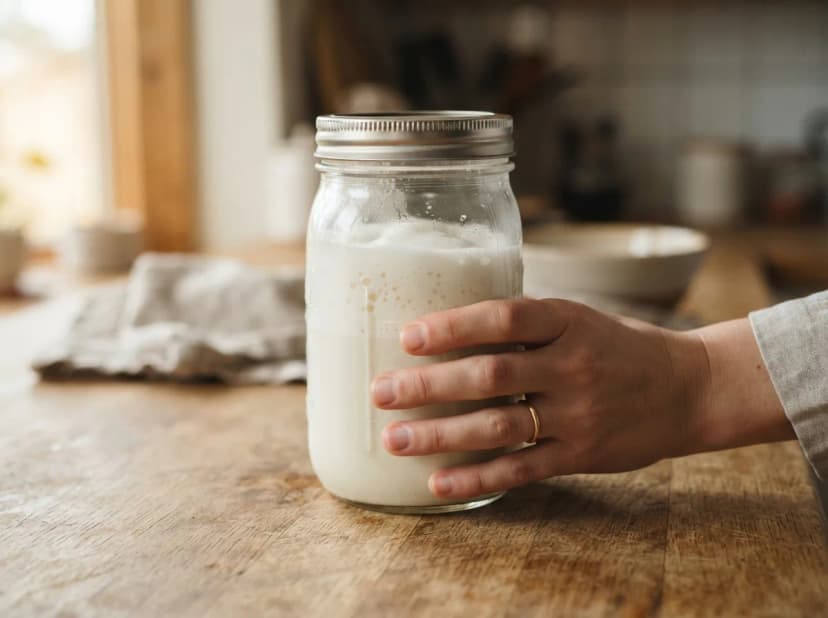
Foam forms from milk protein trapping air, and that protein behaves differently depending on temperature. In the 130–160°F range, the proteins have loosened enough to wrap efficiently around air bubbles, producing dense, stable foam that holds its shape when poured. Cold milk (around 40°F) can still foam — the same proteins are present — but they're less pliable at that temperature, so the resulting foam is lighter, looser, and sits on top of a liquid rather than integrating with it. Neither is a lesser version of the other; they're built for different jobs.
How to Make Hot Foam
- Heat milk to steaming — visible steam rising, not visible bubbling or boiling. A thermometer isn't required, but if you're using one, stop at 150–160°F.
- Froth immediately using an electric or handheld frother, whisk head near the surface for the first several seconds, then slightly deeper to tighten the texture.
- Tap the container on the counter and swirl once before pouring — this settles any oversized bubbles.
- Pour over espresso or coffee immediately; hot foam loses its structure faster the longer it sits.
Failure point: foam that looks fine right after frothing but flattens within a minute usually means the milk went past 160°F before or during frothing — the proteins have started breaking down rather than holding air. There's no recovering overheated milk; start with a fresh, cooler batch.
How to Make Cold Foam
- Use cold milk straight from the fridge — no heating step at all.
- Froth for slightly longer than you would with warm milk, since cold milk resists aerating as readily: 20–30 seconds rather than 15.
- Expect a looser, less voluminous result than hot foam produced with the same effort — that's the correct outcome, not a sign something went wrong.
- Spoon onto an iced drink rather than pouring; cold foam is meant to sit on top, not mix through.
Failure point: cold foam that won't build any volume at all, even after extended frothing, is usually a milk-fat problem rather than a technique problem — skim and low-fat milk froth more easily cold than whole milk does, since whole milk's higher fat content resists aerating at low temperatures more than at warm ones.
Choosing the Right One for the Drink
Lattes, cappuccinos, and hot chocolate call for hot foam — the temperature and stability match the drink. Cold brew, iced lattes, and any drink meant to be sipped through the foam layer call for cold foam — the sweetened and salted variations are in cold foam recipes — pouring hot foam onto an iced drink just melts it into the liquid instead of floating on top. There's no cross-substitution that actually works; using the wrong one produces a texture the drink wasn't built for, not a passable alternative.
Which Milk Works Best for Each
Whole milk makes the richest hot foam but a looser cold foam, since its fat content resists cold aeration more than skim's does. Skim milk is the reverse: thinner-tasting hot foam, but the easiest milk to get real volume from when cold. Oat milk (barista blends) performs reasonably in both temperatures; other non-dairy milks tend to underperform specifically in cold foam, where there's less heat helping the proteins along. Full comparison: best milk for frothing.
If your hot foam is stable but you want it smoother and pourable, that's microfoam. If neither temperature is producing foam at all, start with why is my milk not frothing.
Which Frother Should You Use?
Any frother capable of the basic method in how to froth milk at home handles both hot and cold foam — this isn't a case where one type of equipment is needed for one temperature and a different type for the other. If you make both regularly and want one appliance that heats the milk for you before frothing, an electric frother with a heating base removes the separate stovetop or microwave step for hot foam. If you mostly make cold foam for iced drinks, that heating function isn't doing anything for you, and a simple handheld covers it. Not every electric frother can froth without heating at all, which is the one spec worth confirming before buying — see what to look for in a milk frother.
Sources
- USDA FoodData Central — milk protein and fat composition by type