Direct Answer
If your frother whisk spins but nothing foams, the milk is almost always the problem, not the machine. The five most common causes, in order of how often they actually happen: milk too cold, milk too hot, milk with too little protein (some non-dairy options), a frother whisk not fully submerged, and old or near-expired milk that's lost protein structure. Fix the milk, and the same frother that "wasn't working" usually starts working immediately.
Why This Happens: The Mechanism
Foam depends on milk protein — casein and whey — trapping air bubbles before they collapse. That protein only behaves the right way in a specific temperature window, roughly 130–160°F (55–70°C). Below that range, the proteins haven't loosened enough to wrap around air efficiently. Above it, they start to break down, and foam that does form collapses within seconds instead of holding. Everything below is really one of these two problems, or a related protein/fat issue, showing up differently.
Cause 1: The Milk Was Too Cold
How to spot it: you froth for the usual amount of time and get almost no volume increase — the milk looks the same as when you started, maybe with a thin layer of bubbles on top that vanish in seconds.
The fix: milk straight from the fridge (around 40°F) takes longer to foam and produces less of it for the same effort. Either froth for 15–20 seconds longer than usual, or warm the milk slightly first — 20–30 seconds in the microwave gets it into a more workable range without overheating it.
Cause 2: The Milk Was Too Hot
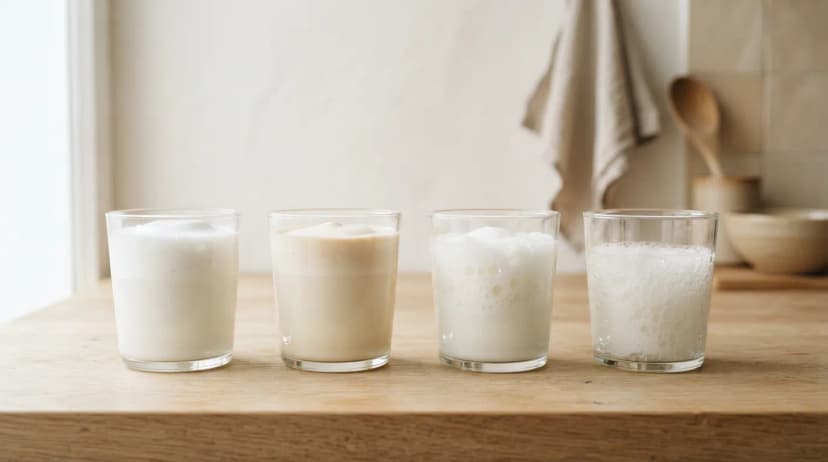
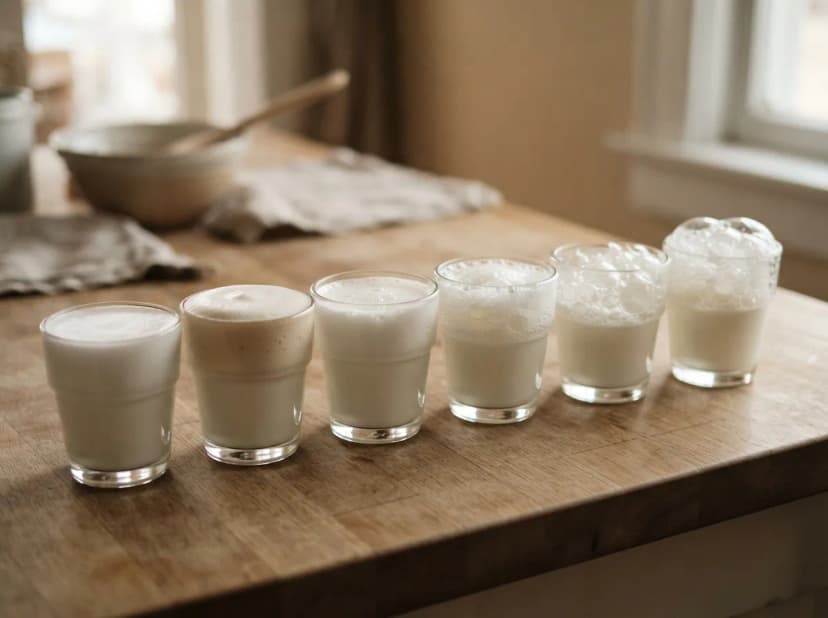
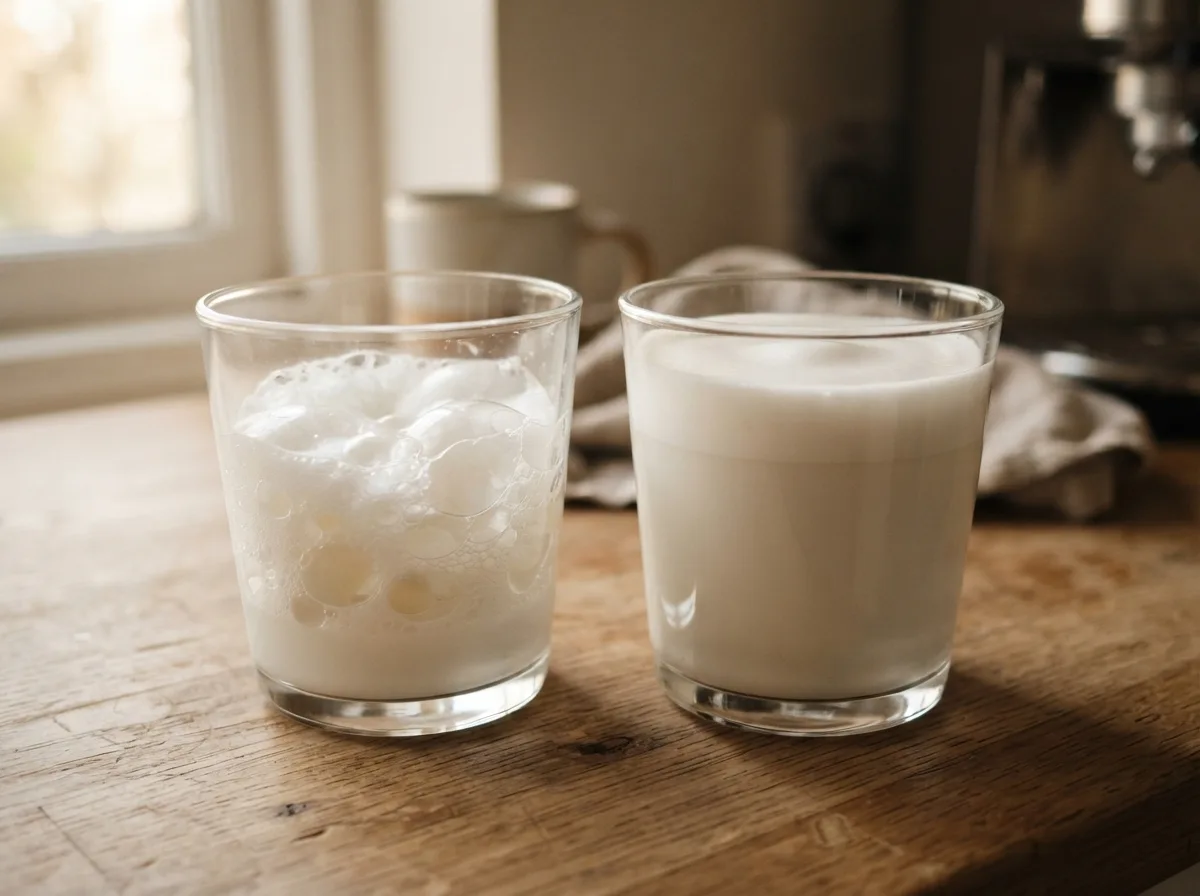
How to spot it: the foam looks like dishwater with ambitions — big, loose bubbles that flatten out within a minute, sometimes with a thin skin forming on top.
The fix: if you're heating milk before or during frothing, stop at "steaming, not boiling" — visible steam rising off the surface, not visible bubbling. Milk that's been heated past about 160°F has started breaking down the very proteins that hold foam together. There's no fixing overheated milk after the fact; start over with a fresh batch and pull the heat sooner.
Cause 3: The Milk Doesn't Have Enough Protein
How to spot it: you're using a non-dairy milk — usually almond, rice, or a low-protein oat milk — and no amount of frothing time produces stable foam, even though your temperature and technique are correct.
The fix: switch to a milk with a specific "barista" formulation, which is reformulated with added protein and stabilizers specifically to foam like dairy. Plain almond or rice milk simply doesn't contain enough of the protein foam depends on — this isn't a technique problem, and more frothing time won't solve it. Full comparison of how far each milk type foams: best milk for frothing.
Cause 4: The Whisk Wasn't Actually in the Milk
How to spot it: you hear the frother running at full speed but see splashing rather than a building foam texture, or foam only forms in a small area near the whisk.
The fix: submerge the whisk head just below the surface — not deep in the milk, not skimming the top. Too deep and it just stirs; too shallow and it splashes instead of aerating. Move it slightly during frothing rather than holding it perfectly still in one spot.
Cause 5: The Milk Is Near Its Expiration Date
How to spot it: milk that used to foam fine with your usual method suddenly doesn't, and nothing else has changed — same brand, same technique, same equipment.
The fix: protein structure degrades slightly as milk ages, even before it's spoiled enough to taste or smell off. If foam performance drops noticeably with milk close to its use-by date, that's the milk, not a sudden equipment failure. Try a fresher carton before troubleshooting anything else.
Once It's Frothing Again
If you've fixed the milk and want to push the texture further, how to get microfoam at home covers the stretch-then-texture method. If you don't own a frother at all, how to froth milk without a frother has four methods that need no equipment, and how to froth milk at home compares every method side by side.
Which Frother Should You Use?
None of the causes above are frother-specific — a $9 handheld and a $200 machine both fail the same way with milk that's too cold, too hot, or too low in protein. If you've ruled out all five causes above and a specific unit still won't produce any foam with correctly prepared milk, that's a genuine equipment issue worth addressing directly with whoever made it, Zulay included. If it is simply worn out rather than faulty, handheld vs electric vs manual covers what to replace it with.
Sources
- USDA FoodData Central — milk protein and fat composition by type