Direct Answer
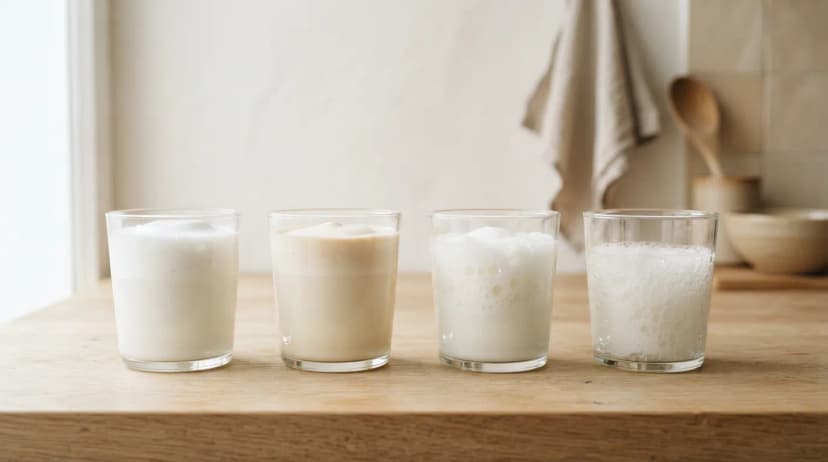
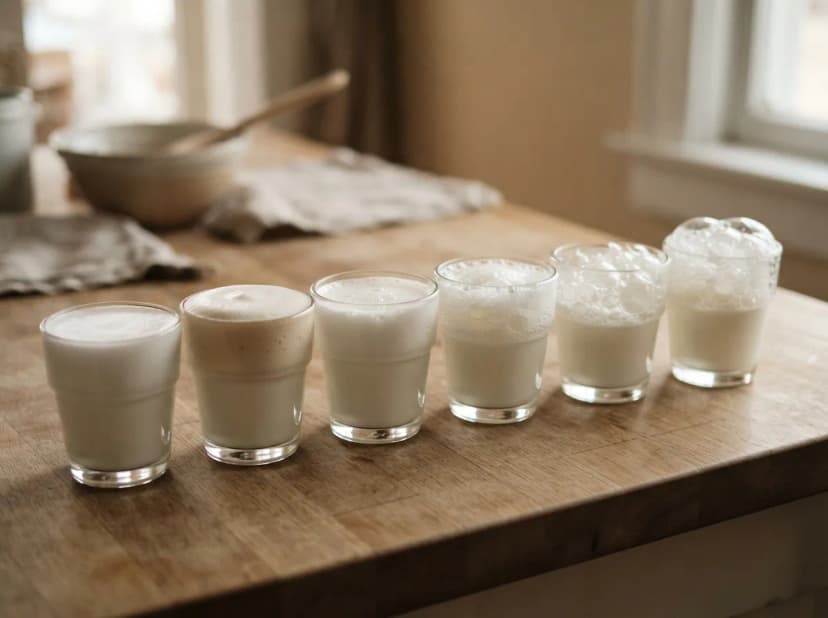
You don't need a frother to froth milk. A mason jar with a tight lid and thirty seconds of shaking gets you real foam, and a French press, a whisk, or even a fork will all work if you don't have a jar handy. None of these require buying anything — they use tools that are already in most kitchens.
Why This Works
Foam forms when air gets trapped inside milk fast enough that the milk's proteins can wrap around the bubbles before they pop and escape. An electric frother does that with a spinning whisk head. A jar does it by force — you're the motor. The physics is identical; the only difference is how fast and how evenly the air gets worked in, which affects foam texture more than whether foam happens at all.
Method 1: Jar With a Lid (Best All-Around, No Heat Needed First)
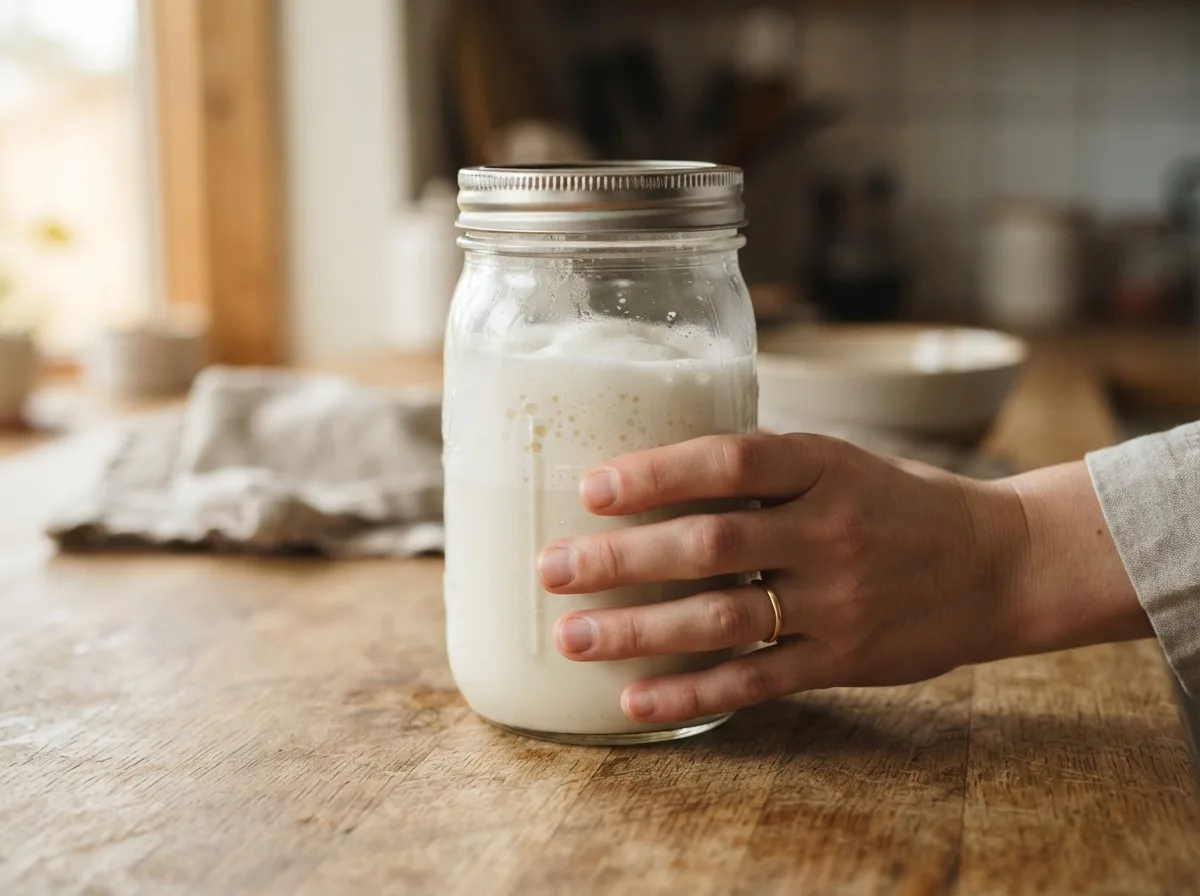
- Pour cold milk into a jar, filling it no more than one-third full — the foam needs room to expand upward.
- Screw the lid on tight. Shake hard, up and down, for 30–45 seconds. You'll feel the milk go from liquid-sloshing to noticeably thicker resistance — that's the foam forming.
- Remove the lid. Microwave uncovered for 30–45 seconds. The foam will rise and set, separating slightly from the liquid milk below it.
- Spoon the foam onto your drink first, then pour the liquid milk in around it.
Time: about 90 seconds start to finish. Foam quality: decent, somewhat uneven bubble size — good enough for a latte, not fine enough for latte art.
Method 2: French Press (Best Texture of the No-Frother Options)
If you own one for coffee, it doubles as a frother.
- Warm the milk slightly first (30 seconds in the microwave, or on the stove until just steaming, not boiling) — French press frothing works better on warm milk than cold.
- Pour milk into the press, filling it no more than a third full.
- Pump the plunger up and down rapidly for 30–45 seconds, keeping the mesh screen submerged near the surface.
- Let it sit for 15 seconds before pouring — this lets the biggest, least stable bubbles collapse and leaves the finer foam on top.
Time: about 60 seconds. Foam quality: closest to what a handheld frother produces — finer and more even than the jar or whisk methods, because the mesh screen breaks bubbles down as you pump.
Method 3: Whisk by Hand
- Warm the milk (same as above).
- Whisk vigorously in a circular motion, keeping the whisk near the surface, for 60–90 seconds.
- Expect your wrist to feel it before the foam looks like much — this is the most physically demanding method and the least efficient at trapping air.
Time: 60–90 seconds of continuous effort. Foam quality: thin, inconsistent — workable in a pinch, not a method to rely on daily.
Method 4: Fork (When Nothing Else Is Available)
Same motion as the whisk, in a smaller container so the fork tines can actually reach the milk's surface repeatedly. Works, barely, for about a minute of effort. This is the "you have genuinely nothing else" option — it produces the thinnest foam of the four and takes the longest relative to the result.
The Most Common Failure Point
If you shake or whisk for the full time and the milk barely changes texture, it was almost certainly too cold or too warm — not under-worked. Milk between 130–160°F froths most easily; straight-from-the-fridge milk (40°F) takes noticeably longer and produces less foam for the same effort. If you're using the jar method, that's exactly why the microwave step exists — it's not just for temperature, it's doing real work in helping the foam set. Full troubleshooting: why is my milk not frothing.
Which Milk to Use for These Methods
Skim and low-fat milk hold foam longest with hand methods specifically, because there's no fat weighing the bubbles down while you're working with less mechanical force than a machine provides. Whole milk still foams with any of these methods, just more loosely. Oat milk labeled "barista" is the most forgiving non-dairy option for hand methods; plain almond milk is the least — full comparison: best milk for frothing.
Which Frother Should You Use?
Honestly: if a jar and thirty seconds already solve your problem, you don't need to buy anything. These methods exist because they work, not as a placeholder until you own equipment. If you're frothing milk often enough that shaking a jar daily has gotten old, a battery handheld does the same job in under a minute with no arm effort — that's a fit question about frequency, not a verdict that hand methods are inferior.
For every method side by side, including the powered ones, see how to froth milk at home.
Sources
- USDA FoodData Central — milk protein and fat composition by type